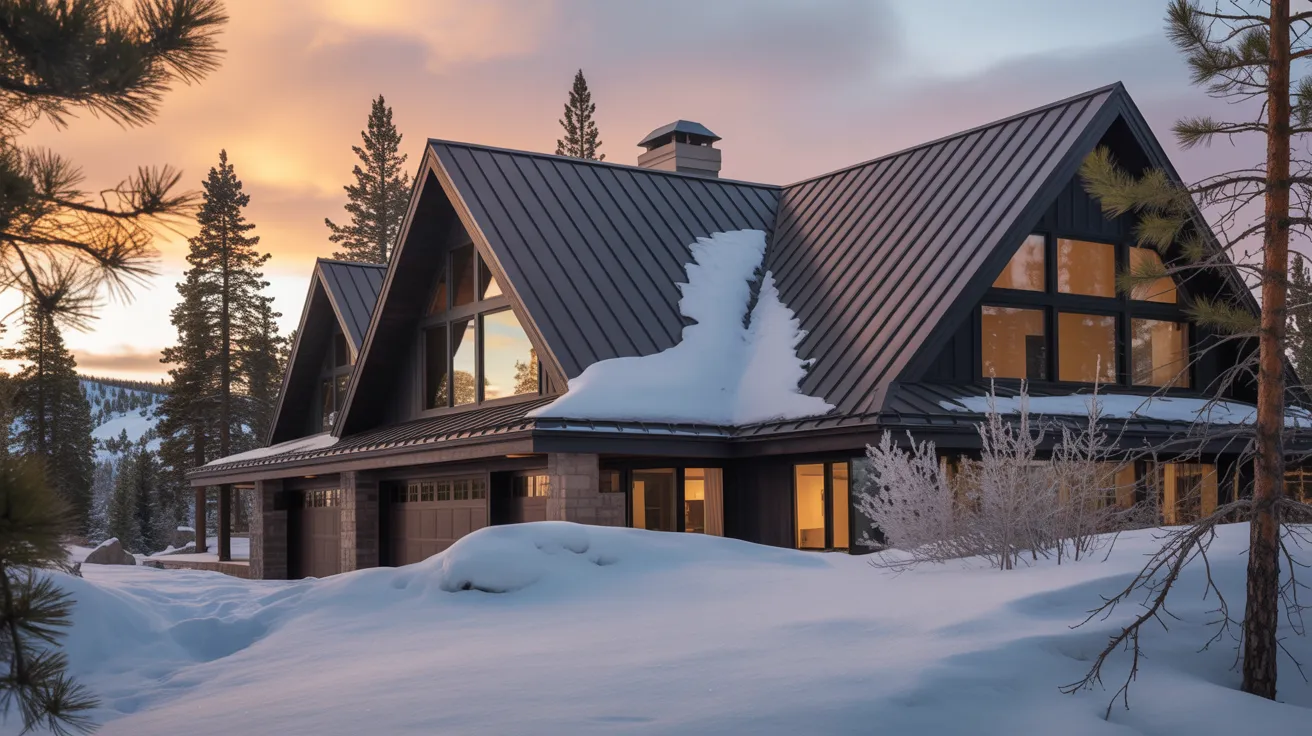
Your Great Falls roof must withstand intense UV, strong wind, heavy snow, and freeze-thaw stress. Metal roofing systems generally surpasses traditional asphalt in resisting impact, fire, uplift, and faster weathering, plus removes snow more readily. Look for fractured shingles, lifted flashing, leaks, granule loss, or sagging areas after storms occur. A qualified local roofer will check the decking, underlayment, ventilation, evaluate storm damage, and suggest repair or full replacement for long-term performance.
Main Highlights
- Great Falls roofing must endure strong ultraviolet, wind stress, substantial snowfall, and temperature swings that worsen leaks and cause structural failure.
- Metal roofing remains functional 40 to 70 years, handles wind, fire damage, and impacts more effectively than asphalt shingles, and moves snow with greater efficiency.
- Asphalt shingles expense less at first but often degrade quicker, with curling, cracking, plus granule loss in Great Falls conditions.
- Problem signs encompass cracked shingles, flashing gaps, rusted valleys, ceiling stains, attic moisture, and weather damage over different roof slopes.
- Roofing experts in Great Falls complete inspections, leak diagnostics, storm repairs, emergency tarping, and professional metal roof installation featuring suitable underlayment and flashing.
The Way Great Falls Weather Affects Roof Performance
Given that Great Falls receives harsh sun, strong wind, hail, substantial snowfall, and fast temperature fluctuations, your roofing bears continuous stress that cuts service life. Exposure to UV parches roofing components, compromises seals, and increases surface breakdown. Wind lifts roof edges, drives rain beneath unprotected areas, and loosens roof flashing around penetrations.
Weight from snow impose pressure, while ice dams block water along eaves and raise leaking potential. Temperature cycling widen small cracks, divide roof seams, and harm underlayment. Ice pellets bruises protective surfaces, crack protective films, and uncover underlying materials to water penetration. You also encounter localized climate impacts: south-facing sections get hotter more quickly, shaded areas stay wet longer, and areas facing wind weather more intensely. Frequent inspections assist you detect damage from storms soon, maintain water drainage and lengthen service life during severe seasonal changes.
Metal Roofing as an alternative to Shingles in Great Falls
If you assess metal roofing against asphalt shingles in Great Falls, the selection frequently centers on climate durability, service life, care requirements, and long-term cost. Metal panels withstand damage from elements like impact, fire, and wind more effectively than shingles, and they typically last 40 to 70 years rather than 15 to 30.
In most cases, you'll allocate more at the outset for metal roofing, however you may replace it less regularly and perform fewer maintenance needs. Standard shingles cost less at the start and supply straightforward repair work, despite the possibility that they can become curled, crack, or lose protective granules quicker. Metal materials supports effective snow drainage, which may lower snow collection when suitably installed with protective trim. If you are thinking about solar system installation, metal generally offers straightforward installation solutions and fewer necessary penetrations. The best option for you is determined by your budget, how many years you plan to stay, and your willingness to perform it
Why Metal Roofing Succeeds in Montana
Developed for thermal fluctuation, powerful gusts, significant snow, and strong sun exposure, metal roofing thrives in Montana's challenging climate. You obtains a system that manages temperature changes, rapidly removes moisture, and sustains building integrity amid freeze-thaw situations. Interlocking metal components, invisible fasteners, and state-of-the-art coatings limit wind damage, rusting, and sun harm.
In addition, you gain advantages from easy snow drainage, which minimizes snow accumulation on the roof and guards structural supports. Inasmuch as metal roof materials sends back solar radiation, it can reduce heat building in the attic during summer dry spells. Reduced water intake aid roof reliability during winter weather conditions. Metal roof lifespan is key in Montana, since ongoing climatic pressures can shorten inferior roofing products. Making use of sound underlayment, sufficient ventilation, and professional-grade installation, the roof system maintains durability, energy efficiency, and serviceability for many years ahead requiring virtually no upkeep
Symptoms That Your Roof Needs Professional Attention
Uncovering roofing problems promptly stops from happening damage to the building, water intrusion, and substantial replacement expenses. Examine for shingle cracks, loose flashing, visible metal fasteners, oxidized valleys, and deteriorated caulking around vents, skylights, and chimney areas. Throughout the home, watch roof discoloration, moist insulation materials, mold presence, or light coming in through the roof system
Post-storm, look for impact damage, repositioned pieces, and missing granule material in gutters. Monitoring granule deterioration enables detection of damaged asphalt zones before water seeps through the base layer. Weak attic ventilation likewise produces concerning signals: intense heat, frost buildup, excess dampness, and early shingle curling. When utility costs climb unexpectedly, high humidity and warmth might be jeopardizing roof performance
Book repair services if you detect low-hanging sections, continuous water leaks, or wobbly trim. Speedy correction shields decking, insulating material, and finished spaces.
When Roof Replacement Makes More Sense
You should consider replacing your roof when storm damage impacts large sections, damages key structural parts, or exceeds practical repair limits. If you're regularly paying for repeated leaks, failed patches, or repeated maintenance visits, a new roof typically gives better long-term value. An older roof system at or beyond its design life is unable to protect your home reliably, despite individual repairs may seem possible.
Substantial Storm Damage
When a major storm impacts extensive areas of your roofing, a full replacement typically delivers better financial and structural value compared to multiple repairs. Following hail damage, wind damage, or punctures from fallen branches, you may have damaged decking, wet underlayment, and widespread shingle failure that repairs can't reliably isolate.
You require a comprehensive evaluation, not temporary fixes. Weather damage frequently damages seals, loosens fastening systems, and forms hidden moisture paths around valleys, vents, and flashing. Following debris removal, trapped water may continue degrading sheathing and insulation below the surface. If damage impacts multiple slopes or compromises the roof assembly, new installation provides consistent protection, code compliance, and manufacturer-backed performance. It additionally enables you enhance ventilation, underlayment, and impact-resistant materials so your next severe storm doesn't exploit the same vulnerable areas once more.
Multiple Maintenance Expenses
Frequently, recurring leak repairs, shingle replacements, and flashing repairs accumulate higher costs than a scheduled roof replacement. If you're calling for maintenance each season, you're likely trapped in cost cycles that drain your budget without addressing underlying deck, ventilation, or underlayment issues. Small patch jobs can restore temporary function, though they rarely provide comprehensive performance.
You should evaluate annual repair totals against replacement costs, rising labor costs, and material matching problems. Multiple repairs additionally generate warranty gaps, particularly when multiple contractors handle separate sections or different product lines. Those gaps may leave you covering costs yourself when new failures emerge near previous repairs. A full replacement provides you one integrated assembly, predictable installation standards, and streamlined maintenance schedules. In many cases, that refresh reduces overall roofing expenses and reduces service disruptions markedly.
Deteriorating Roof Structures
Roof structures that have aged experience material flexibility loss, fastener loosening, sealant failure, and drainage degradation, leading to heightened leak potential and reduced environmental protection. Observable damage often feature cracked shingles, ruptured barriers, rust formation at openings, and water leaks after storms. Surface-level fixes cannot address systemwide issues.
New roof installation proves beneficial when diagnostic assessment reveals decking moisture, significant granule deterioration, insulation damage, or inadequate ventilation balance that worsens thermal and moisture stress. Additionally consider code modernization, fastener strength, and new material compatibility. Complete roof systems enable correction of hidden problems, strengthen drainage performance, and deploy rated systems appropriate for modern conditions. Higher initial costs apply, although emergency interventions diminish, water intrusion damage reduces, and lifecycle cost benefits accumulate.
Storm Damage Management by Great Falls Roofers
Severe storms potentially damage roof systems within moments, so Great Falls roof experts undertake damage evaluation with swift, methodical review of shingles, flashing, underlayment, decking, and metal panels to detect apparent failures and covert moisture routes.
Following damage inspection, you obtain thorough documentation of damage levels, moisture problems, and structural concerns. After storm damage review, detailed records of deterioration, moisture damage, and safety hazards are delivered. Removal of storm debris happens first stopping continued surface damage and ensuring proper water drainage. Vulnerable spots receive temporary protection, holes are sealed, raised shingles are replaced, flashing gets secured, and fastener strength on steel sections is examined. If the deck absorbed water, water saturation analysis, layer separation inspection, and mold zone identification comes before repair authorization. Photographs and dimension records help insurance claims and support focus on urgent protective measures ahead of cosmetic improvements.
What Happens During Metal Roof Installation
From initial tear-off through completion, metal roof installation processes maintain a required sequence safeguarding properties and optimizing roofing performance. Existing roof material removal takes place first, structural decking review is performed, and deteriorated decking gets replaced. Verification of slope, dimensional accuracy, ventilation routes, and fastener zones occurs subsequently to achieve proper installation.
Then, perimeter trim, water and ice shields, and layer selection are decided by climate conditions, angle, and standards. Installation begins from a square point, fastening systems conforming to spacing guidelines. Using standing seam assemblies, seam legs are sealed and stay straight controlling moisture passage and thermal changes. Concluding the process, flashing work, ridge installation, transition sealing, and final walkthrough verify weatherproofing success and aesthetic results.
Services Great Falls roof Experts Present
Whether you seek a routine repair or a new roof installation, Great Falls roof professionals typically handle assessments, leak detection, storm damage restoration, roof recovery, new roof setup, and preventive maintenance for both residential or commercial properties.
You can also employ them for flashing installation, ventilation corrections, gutter additions, skylight sealing, and ice dam solutions. If severe weather damages roof decking, they'll conduct emergency coverage to limit water intrusion when permanent repairs start. For aging systems, they review underlayment condition, fastener quality, penetration points, and water drainage, then suggest targeted repairs or full replacement when warranted. Many companies work on asphalt shingle systems, standing seam roofing, membrane systems, and roofing coatings. They often record damage for claim documentation and schedule maintenance visits to identify sealant damage, rust, panel movement, and valley blockage before those those issues reduce your roof durability.
How to Select Your Great Falls Roofing Contractor
When hiring a Great Falls roofer, check they possess adequate licensing and maintain up-to-date liability insurance and workers' compensation coverage. Next, review their materials they recommend allowing you to assess performance metrics, service life, and expense with undertaking. Additionally to evaluate the regional experience, since contractors knowledgeable about Great Falls climate conditions and code requirements commonly produce more reliable results.
Verify Licensing And Insurance
Prior to completing any roofing agreement in Great Falls, confirm the roofing professional has the necessary Montana state license and holds both workers' compensation and general liability insurance. Don't depend on verbal claims. Demand the licensing information, business name, and insurer details, then perform verification via state registration records and local databases. Check the company name on every document.
For verification of insurance, demand that certificates be sent straight from the insurance company or agent representative. Examine policy details, effective coverage dates, policy limits, and exclusion details. Verify that workers' compensation provides coverage for each team member working
Evaluate roof materials
Given that Great Falls roofs experience hail, high winds, snow load, and sharp temperature swings, it's essential to assess materials using performance, service life, maintenance demands, and total installed cost—beyond merely the bid price.
Asphalt shingles are known for offering the most budget-friendly installation costs, still impact ratings, wind coverage warranties, and granule loss matter. Metal involves greater upfront costs, yet it moves snow away, offers fire resistance, and realizes enhanced energy efficiency by way of reflective coatings. Synthetic slate and composite shingles reduce weight loads while enhancing impact durability, notwithstanding product quality varies. Solicit product specifications on Class 4 impact performance, wind resistance, ice dam prevention, and anticipated longevity. You should examine underlayment choices, ventilation fit, attachment methods, and maintenance ease. A budget roof becomes pricier in time if it fails prematurely or needs regular storm-related upkeep and renewal.
Evaluate regional track record
Material choice matters, though the contractor's local reputation often governs how well that roof performs in Great Falls. You need to check the duration a contractor has worked in the area and if they have handled hail damage, heavy snow, chinook winds, and freeze-thaw damage on similar homes. Local history demonstrates whether crews possess ventilation, ice dam prevention, flashing details, and code requirements specific to Cascade County.
Request addresses of recent projects, then evaluate workmanship from the ground. Examine client testimonials for patterns: scheduling, cleanup, warranty response, and change-order accuracy. You must also verify supplier connections and permit familiarity, as established local roofers usually source materials faster and handle permits with fewer delays. A contractor possessing proven Great Falls experience reduces installation danger and boosts sustained roof quality for your property.
Common Client Questions
Can Great Falls Roofers offer Financing opportunities for updated Roofs?
Yes, quite a few Great Falls roofers make available payment plans for new roofs. You can often choose payment options through the contractor or via a third-party lender. Count on provisions contingent on job cost, finance period, and personal credit standing. Most lending sources require credit checks before funding, and some present promotional rates for approved borrowers. You must compare APR, fees, down payment requirements, and prepayment terms before signing any roof financing agreement.
Are most roofing estimates in Great Falls without charge?
Yes, roofing estimates in Great Falls are commonly without charge, especially when contractors offer complimentary inspections for repairs or replacements. You should expect a written estimate that breaks down materials, labor, timeline, and cost breakdowns. Some companies may bill for detailed reports, specialty diagnostics, or insurance documentation. Before you schedule, inquire about what the estimate covers, whether inspections are complimentary, and if additional fees apply to complex roof conditions or access.
How long do roofing warranties usually last in Great Falls?
Like a safety feature for your roof, warranties in Great Falls usually extend 20–50 years for Manufacturer warranties, depending on material and product tier. You'll often get Labor warranties for 2–10 years, though some contractors give longer coverage. You should ensure what's prorated, transferable, and excluded, especially for wind, ventilation, and installation errors. Check the fine print so you realize exactly what protection you're actually getting before signing.
Is roof work able to be scheduled during winter in Great Falls?
Yes, you can schedule roof work during winter in Great Falls, but you'll want weather contingencies. You can finish Winter repairs safely when teams oversee temperature, wind, ice, and material handling limits. You should prepare for delays during storms or extreme cold. Removing snow often comes first so workers can reach decking, identify leaks, and affix flashing. You'll experience better results when you book early and remain flexible with scheduling windows.
Do Great Falls roofing companies help with insurance paperwork?
Yes, many roofing services in Great Falls help you with insurance documentation after storm or impact damage. You'll often receive insurance assistance through documented inspections, photo documentation, scope summaries, and estimate comparisons. They may also evidence help claim coordination by conferring with adjusters, specifying repair quantities, and matching line items to policy coverage. You should still review your claim carefully, because your insurer approves payment terms, depreciation, deductibles, and final settlement amounts.
Summary
In Great Falls, your roofing system has to manage wind, snow, hail, and quick temperature swings without failing damaged. That's why picking the right roofer matters. Metal roofing stands out because it can persist 40–70 years—often twice or thrice longer than standard asphalt shingles. When you respond early on repair or replacement, you secure your property, lower long-term expenses, and enhance performance. Connect with Great Falls roofing specialists who comprehend local environmental factors and place systems built to persist.